
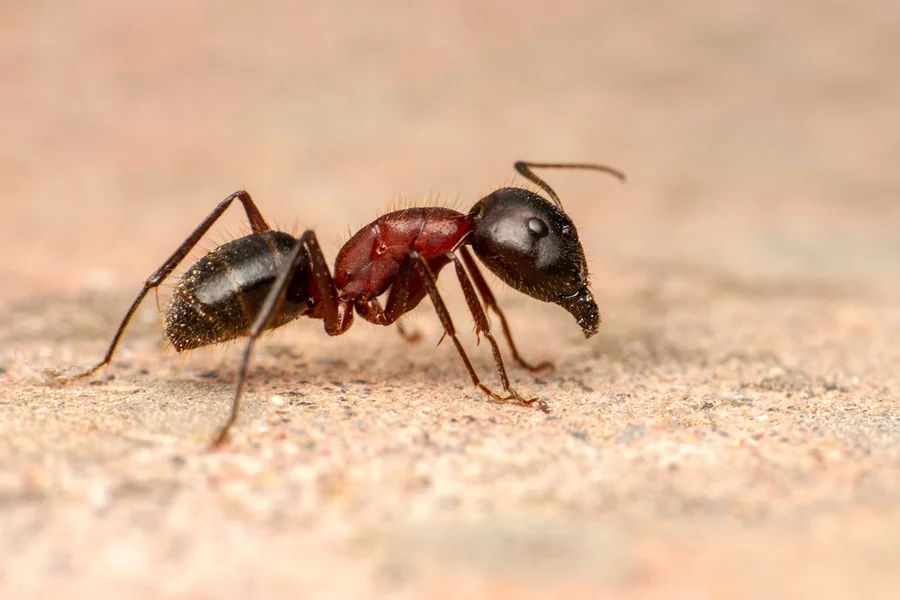
Ants are among the most common insects found in homes and gardens, yet identifying the specific species can be a challenging task. With over 12,000 known species worldwide, each type of ant has unique characteristics and behaviors that influence how they interact with their environment. Understanding these differences is crucial because the effectiveness of treatment plans can vary significantly depending on the species. Misidentification can lead to ineffective pest management strategies, resulting in wasted resources and persistent infestations. This article delves into the importance of correctly identifying ant species and how it impacts the choice of treatment methods.
Understanding Ant Identification
Identifying ant species involves observing several key characteristics, including size, color, and behavior. Ants can range from tiny, almost invisible insects to larger, more noticeable ones. Their color can vary from black and brown to red and yellow, and these variations can often provide clues about their species. Behavior is another critical factor; some ants are more aggressive, while others are more passive. Some species prefer to nest indoors, while others are more commonly found outdoors. By closely examining these traits, one can begin to narrow down the possibilities and identify the specific species present. This identification process is essential because different species require different treatment approaches. For instance, carpenter ants, which can cause structural damage, need a different strategy compared to sugar ants, which are more of a nuisance than a threat.
The Role of Ant Behavior in Treatment
Ant behavior plays a significant role in determining the appropriate treatment plan. Some ants, like the Argentine ant, are known for their aggressive foraging behavior and large colony sizes, which can make them particularly challenging to control. In contrast, odorous house ants are more likely to invade homes in search of food, requiring a different approach. Understanding these behavioral patterns is crucial for developing an effective treatment strategy. For example, baiting is often more effective for species that forage widely, while direct treatment of nests may be necessary for those that are more localized. Pest control strategies must be tailored to the specific behaviors and nesting habits of the ant species to ensure successful eradication.
Physical Characteristics and Their Impact
The physical characteristics of ants, such as their size and body structure, can also influence the choice of treatment. For example, the presence of wings can indicate a reproductive phase, which may require immediate intervention to prevent the establishment of new colonies. The size of the ant can also provide clues about the species and its potential impact. Larger ants, like carpenter ants, are often more destructive and may require more aggressive treatment methods. Additionally, the presence of specific body features, such as the number of nodes on the petiole or the shape of the thorax, can help in accurately identifying the species. This detailed identification is crucial because it allows for the selection of the most effective treatment methods, reducing the likelihood of recurrence and minimizing the impact on the environment.
Environmental Factors Affecting Ant Control
Environmental factors play a significant role in ant infestations and the effectiveness of treatment plans. Ants are highly adaptable and can thrive in a variety of conditions, but certain species are more prevalent in specific environments. For example, moisture levels can influence the presence of certain ant species, such as the moisture-loving Pharaoh ants. Temperature is another critical factor, as some ants are more active during warmer months, while others may seek shelter indoors during colder periods. Understanding these environmental influences can help in predicting ant activity and tailoring treatment plans accordingly. By considering the environmental context, pest management professionals can develop more targeted and effective strategies for controlling ant populations.
The Importance of Accurate Identification
Accurate identification of ant species is crucial for effective pest management. Misidentification can lead to the use of inappropriate treatment methods, which may not only be ineffective but could also exacerbate the problem. For example, using a general insecticide on a species that requires baiting can result in the ants simply relocating their colony, making them harder to control. Additionally, some treatments may have unintended consequences on non-target species or the environment. By accurately identifying the ant species, pest management professionals can select the most appropriate and environmentally responsible treatment methods, ensuring a more successful outcome.
Conclusion
Identifying ant species is a critical step in developing an effective treatment plan. Each species has unique characteristics and behaviors that influence how they should be managed. By understanding these differences, pest management professionals can tailor their strategies to the specific needs of the infestation, ensuring more effective and sustainable control. Accurate identification not only improves the chances of successful eradication but also minimizes the impact on the environment and non-target species. As such, taking the time to correctly identify the ant species present is an essential component of any pest management strategy.


