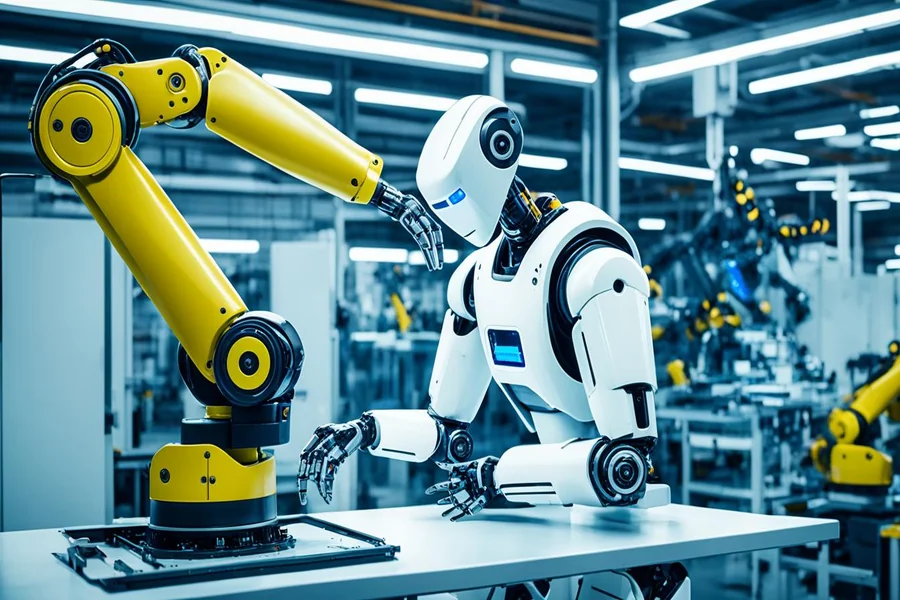
How automation is redefining jobs and industries is one of the most important conversations in today’s fast-changing world. Technology is advancing at a rapid pace, and automation is at the center of this transformation. From factories and offices to healthcare and retail, automation is changing how work gets done and what skills are needed to succeed.
Automation refers to the use of technology to perform tasks with minimal human involvement. This includes everything from simple machines to advanced systems powered by artificial intelligence. While automation brings many benefits, it also raises questions about job security, skill requirements, and the future of work.
Understanding how automation is reshaping industries helps individuals and businesses prepare for what lies ahead. Instead of seeing automation as a threat, it can be viewed as an opportunity to evolve and grow. You can find useful tutorials on techpora.
What Automation Means in the Modern Workplace
Automation in the modern workplace goes far beyond machines on factory floors. Today, it includes software, algorithms, and intelligent systems that can handle tasks once done by humans. These systems can process data, make decisions, and even learn over time.
In offices, automation tools can manage emails, schedule meetings, and analyze large amounts of data. In manufacturing, robots can assemble products with high precision. In customer service, chatbots can handle routine inquiries quickly and efficiently.
The key idea behind automation is efficiency. By automating repetitive and time-consuming tasks, businesses can focus more on innovation and strategy. This shift is a major reason why how automation is redefining jobs and industries has become such a widely discussed topic.
Automation does not necessarily eliminate jobs entirely. Instead, it changes the nature of work. Employees are often required to take on more complex and creative roles that machines cannot easily perform.
Industries Most Affected by Automation
Some industries are experiencing the impact of automation more rapidly than others. Manufacturing is one of the most obvious examples. Robots and automated systems have replaced many manual tasks, leading to increased production speed and consistency.
The retail industry is also undergoing significant changes. Self-checkout systems, automated inventory management, and online shopping platforms are reducing the need for traditional roles while creating new opportunities in logistics and technology.
Healthcare is another sector being transformed. Automation is helping doctors and nurses with tasks such as scheduling, record-keeping, and even diagnosing certain conditions. This allows healthcare professionals to spend more time focusing on patient care.
Transportation is evolving with the development of self-driving vehicles and automated logistics systems. While these technologies are still developing, they have the potential to reshape the entire industry.
The rise of automation across these sectors highlights how automation is redefining jobs and industries on a global scale.
Benefits of Automation for Businesses and Workers
Automation offers several advantages for both businesses and employees. One of the most significant benefits is increased productivity. Machines can work continuously without fatigue, allowing companies to produce more in less time.
Another advantage is improved accuracy. Automated systems are less likely to make errors compared to humans, especially in repetitive tasks. This leads to higher quality products and services.
Cost savings are also a major factor. While the initial investment in automation can be high, it often results in long-term savings by reducing labor costs and minimizing waste.
For workers, automation can reduce the burden of repetitive and physically demanding tasks. This can lead to safer working conditions and improved job satisfaction.
Additionally, automation creates new job opportunities in areas such as technology, data analysis, and system management. These roles often require higher skills and offer better career growth.
Challenges and Concerns Around Automation
Despite its benefits, automation also presents challenges that cannot be ignored. One of the biggest concerns is job displacement. As machines take over certain tasks, some jobs may become obsolete.
This shift can be particularly difficult for workers in roles that rely heavily on routine tasks. Without proper training and support, transitioning to new roles can be challenging.
Another concern is the growing skills gap. As automation becomes more advanced, the demand for skilled workers increases. This creates a gap between the skills people have and the skills employers need.
There is also the issue of economic inequality. If the benefits of automation are not distributed fairly, it could lead to a widening gap between high-skilled and low-skilled workers.
Businesses must also deal with the complexity of implementing automation. Integrating new technologies into existing systems requires careful planning and investment.
Understanding these challenges is essential when discussing how automation is redefining jobs and industries.
The Future of Work in an Automated World
The future of work is closely tied to the continued growth of automation. As technology evolves, new types of jobs will emerge while others fade away. This dynamic shift will require workers to adapt and continuously learn new skills.
One of the key trends is the rise of hybrid roles. These roles combine technical knowledge with human skills such as creativity, communication, and problem-solving. Workers who can balance these abilities will be in high demand.
Remote work is another trend supported by automation. Cloud-based tools and automated systems allow employees to work from anywhere, making work more flexible and accessible.
Education and training will play a crucial role in preparing the workforce for the future. Lifelong learning will become essential as people need to update their skills regularly.
Businesses will also need to rethink their strategies. Instead of focusing only on automation, they must consider how to combine human talent with technology effectively.
The future is not about humans versus machines. It is about collaboration between the two, which defines how automation is redefining jobs and industries moving forward.
Strategies to Adapt and Thrive With Automation
Adapting to automation requires a proactive approach. Individuals and businesses must take steps to stay relevant in a changing environment.
For individuals, developing new skills is essential. Learning about technology, data analysis, and digital tools can open up new career opportunities. Soft skills such as communication and critical thinking are equally important.
Networking and staying informed about industry trends can also help individuals prepare for changes. Understanding where opportunities are emerging allows people to make better career decisions.
Businesses should invest in employee training and development. By helping workers upgrade their skills, companies can create a more adaptable workforce.
Collaboration between businesses, governments, and educational institutions is also important. Together, they can create programs that support workers during transitions.
Finally, companies should adopt a balanced approach to automation. Instead of replacing workers entirely, they can use automation to enhance human capabilities.
These strategies highlight how automation is redefining jobs and industries in a way that encourages growth and innovation.
Final Thought
How automation is redefining jobs and industries is not just about technology. It is about change, adaptation, and opportunity. While automation may replace certain tasks, it also creates new possibilities for innovation and growth.
The key to success lies in embracing change and preparing for the future. By focusing on skills, education, and collaboration, individuals and businesses can navigate this transformation effectively.
Automation is not the end of jobs. It is the beginning of a new era where humans and technology work together to achieve more than ever before.
FAQs
What is automation in simple terms?
Automation is the use of technology to perform tasks with little or no human involvement.
How is automation affecting jobs?
Automation is changing the nature of jobs by replacing repetitive tasks and creating new roles that require advanced skills.
Which industries are most impacted by automation?
Industries like manufacturing, retail, healthcare, and transportation are among the most affected by automation.
Will automation eliminate all jobs?
No, automation will not eliminate all jobs but will transform many roles and create new opportunities.
What skills are important in an automated world?
Technical skills, problem-solving, communication, and adaptability are important in an automated world.
How can workers prepare for automation?
Workers can prepare by learning new skills, staying updated with industry trends, and being open to change.