Heating systems are essential for maintaining comfort during colder months, but they can sometimes encounter issues that require attention. Two common problems are low voltage and control board malfunctions. Low voltage can lead to inefficient heating, while control board issues might cause the system to stop working altogether. Understanding these problems and knowing how to address them can save time and money. This article delves into the causes, symptoms, and solutions for these heating system issues, providing valuable insights for homeowners and technicians alike.
Understanding Heating System Issues
Heating systems are complex, with various components working together to provide warmth. Low voltage is a frequent issue that can affect the performance of a heating system. It occurs when the electrical supply to the system is insufficient, leading to reduced efficiency and potential damage to components. Causes of low voltage include faulty wiring, poor connections, or issues with the power supply. Symptoms of low voltage in a heating system may include the system not turning on, inconsistent heating, or unusual noises. Addressing low voltage requires a thorough inspection of the electrical connections and components to identify and rectify the source of the problem.
In Peoria, AZ, homeowners often face unique challenges with their heating systems due to the region’s specific climate conditions. The fluctuating temperatures can exacerbate issues with low voltage and control boards, making timely repairs crucial. Regular maintenance checks can help identify potential problems before they escalate, ensuring that your system operates efficiently throughout the year. By addressing these issues promptly, you can avoid unexpected breakdowns and maintain a comfortable home environment. Additionally, understanding the intricacies of your heating system can empower you to make informed decisions about necessary repairs or upgrades, ultimately extending the lifespan of your equipment.
Control board issues are another common problem in heating systems. The control board acts as the brain of the system, managing various functions such as ignition, fan control, and temperature regulation. When the control board malfunctions, it can lead to a complete system shutdown or erratic behavior. Causes of control board issues include power surges, moisture damage, or component failure. Symptoms may include the system not responding to thermostat settings, frequent cycling on and off, or error codes displayed on the thermostat. Diagnosing control board issues involves checking for visible damage, testing electrical connections, and using diagnostic tools to identify faults.
When dealing with low voltage and control board issues, it’s crucial to understand the intricacies of your heating system. A malfunctioning control board can lead to erratic heating patterns, leaving your home uncomfortable. Regular maintenance checks can help identify potential problems before they escalate. If you’re unsure about the state of your system, consulting a professional can provide peace of mind and ensure efficient operation. For those seeking expert advice or services, it’s beneficial to explore local options. Read more to discover reliable solutions and ensure your heating system is in top condition, especially during the colder months when you rely on it the most.
Diagnosing Low Voltage Problems
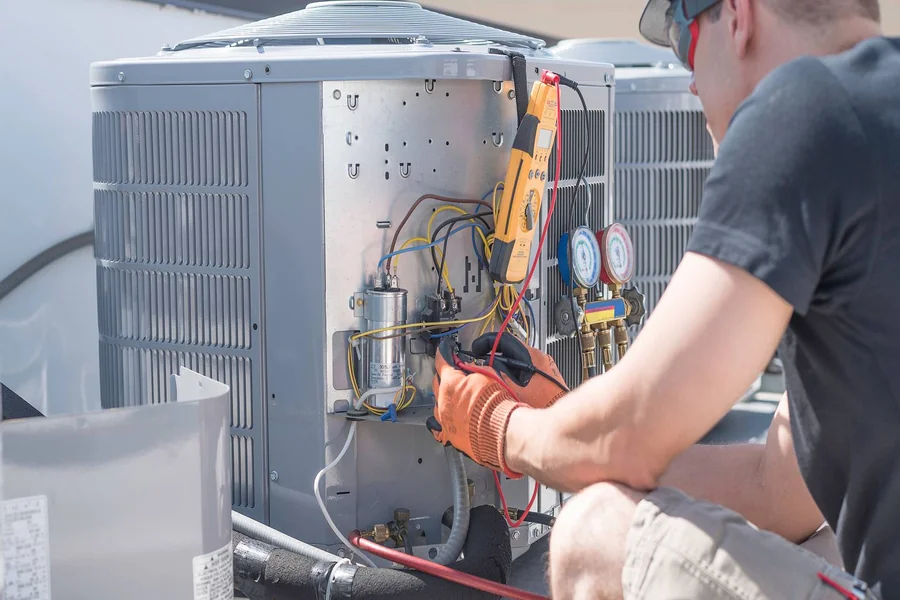
Diagnosing low voltage problems in a heating system requires a systematic approach. Start by checking the power supply to ensure it is delivering the correct voltage. Use a multimeter to measure the voltage at various points in the system, including the main power supply, thermostat, and control board. If the voltage is below the required level, inspect the wiring and connections for signs of damage or corrosion. Loose or damaged wires can cause voltage drops, leading to system inefficiencies. Additionally, check for any tripped circuit breakers or blown fuses that may be affecting the power supply.
Once the source of the low voltage is identified, take corrective action to restore the system’s performance. This may involve repairing or replacing damaged wiring, tightening loose connections, or replacing faulty components. In some cases, upgrading the electrical supply to the heating system may be necessary to ensure it receives adequate power. Regular maintenance and inspections can help prevent low voltage issues by identifying potential problems before they escalate. By addressing low voltage problems promptly, homeowners can ensure their heating systems operate efficiently and reliably.
Resolving Control Board Malfunctions
Control board malfunctions can be challenging to diagnose and repair, but understanding the common causes and symptoms can help. Begin by inspecting the control board for visible signs of damage, such as burnt components or corrosion. Use a multimeter to test the electrical connections and ensure they are functioning correctly. If the control board is not receiving power, check the wiring and connections for issues. In some cases, the control board may need to be reset or reprogrammed to resolve the problem.
If the control board is damaged beyond repair, replacement may be necessary. When replacing a control board, ensure the new board is compatible with the existing system and properly installed. Click here to learn more about finding the right replacement parts for your heating system. Regular maintenance and inspections can help prevent control board malfunctions by identifying potential issues early. By keeping the control board in good condition, homeowners can ensure their heating systems operate smoothly and efficiently.
Importance of Regular Maintenance
Regular maintenance is crucial for preventing low voltage and control board issues in heating systems. Scheduled inspections allow for the early detection of potential problems, reducing the risk of system failures. During maintenance, technicians can check the electrical connections, test the control board, and ensure all components are functioning correctly. Cleaning and lubricating moving parts can also help maintain system efficiency and extend the lifespan of the heating system. By investing in regular maintenance, homeowners can avoid costly repairs and ensure their heating systems provide reliable performance throughout the colder months.
Conclusion
Heating systems are vital for maintaining comfort during the winter, but they can encounter issues such as low voltage and control board malfunctions. Understanding the causes and symptoms of these problems is essential for effective diagnosis and repair. Regular maintenance and inspections can help prevent these issues, ensuring the heating system operates efficiently and reliably. By addressing problems promptly and investing in routine maintenance, homeowners can enjoy a warm and comfortable home without the worry of unexpected heating system failures.